Natural Antiseptics and their Uses

The older persons or baby boomers would have remembered the red liquid their moms applied to their injuries. Especially on the knees and elbows. The red fluid was merbromin, which was used to clean the wound. Merbromin has used for so many years to clean the wounds.

In 1998. The U.S Food and Drug Administration (FDA) has declared that the use of merbromin is not safe and effective. So, this antiseptic would have banned in the U.S. Back then in the era of 90s, most people used alcohol and hydrogen peroxide as an antiseptic to clean the specific wound. Though, these antiseptics can harm your body if you use them incorrectly. So, there were mix reviews regarding the use of hydrogen peroxide.

However, I can say the organic antiseptics are safe to use. Natural antiseptics are always better for your skin, health, and environment. Natural antiseptics are eco-friendly because they are biodegradables. If you know about the natural antiseptics and their uses, it will be convenient for you to use them in any natural disaster and a sudden injury. Because you cannot get to a pharmacy during a natural disaster or a sudden injury. These organic antiseptics will help you in every uncertain situation.

You can find some natural antiseptics and their uses in this article.

Some Natural Antiseptics for your Wounds

Turmeric powder:

This is the easiest and inexpensive antiseptic solution for your injury. Almost, in every home, turmeric powder is available every time. If you got any injury you can put some turmeric powder on the specific area. Another way is, take one tablespoon of mustard oil and mix it with one tablespoon of turmeric powder. Heat it up for at least 10 seconds. Check the solution with your finger. It should be lukewarm. The apply this solution to the wounded area. It is suitable for every type of injury. Also, it is the safest antiseptic you can use at home. If you are on camping and got an injury, you can apply this solution. The turmeric powder has the power to kill the germs. Also, it will heal the wound in a few days.

Witch Hazel:

This is the yellow floral shrub, mostly found in America. It is an inexpensive shrub. It can be used as an organic antiseptic. You can use it solo or blend it with any oil. It will refine the pores.

Grapefruit Seed Extract:

Grapefruit Seed Extract can kill the bacteria in the wound. However, do not use it directly. You can use this extract with water. Mix 10 drops of grapefruit extract with 1 tablespoon of water. Mix this solution well and then apply to the infected area. Apply this solution with a spray bottle or a cotton ball. Use this antiseptic 3 times a day.

Honey:
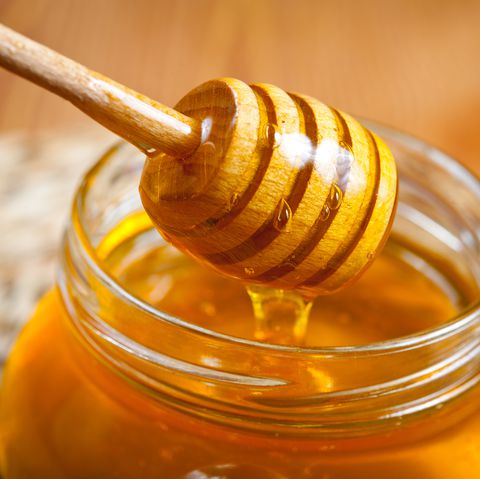
Honey is always a wonderful solution for your wounds. You can apply honey directly to the injured area or mix it with water. The ratio of honey and water should be 10:1. This natural solution will help in killing the bacteria in your wound. You can apply honey on the small cuts, bites of small insects like ants, and stings of wasp. This is the best solution for these small wounds.

Tea Tree Oil:
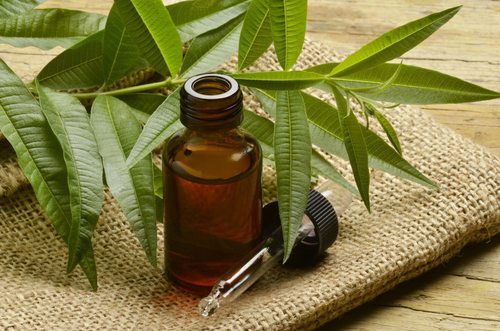
Well, I can say this is an exceptional natural antibiotic. Use it 5 to 6 times a day on your wound. This helps you in healing your wound. It will control the pus or bacteria in your wound. It is the best solution for your acne, jock itch, ringworm, toe infection, and fungus in your foot. You must clean your foot from tea tree oil 3 times a day.
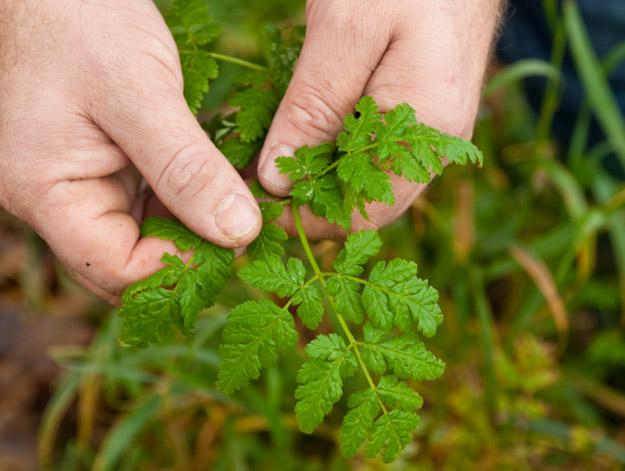
Find some Edible Plants in the Forest

Sometimes, you do not plan a trip with your friends or family. Sometimes, it is just an instinct that you get up and embark a solo trip. Unplanned trips are unusual and might be bizarre. Also, unplanned solo trips are crazy and wild. You might have a chance to explore wildness in you. When you plan something unusual, you do not have time for packing and preparing food. You start your solo trip with some granola bars and water in your backpack. Sometimes you have a planned route, but sometimes everything is unplanned. Maybe you lost your route, unfortunately.

Suppose, you veered off your planned route and you are hungry now. You can only eat the granola bars you have. After some time, you will hungry again. Now, what to do? What to eat now? What to do in this horrible situation? Read this article to know what you can eat in the forest if you are lost and do not have anything to eat. You can find some edible plants in the forest. But, in the forest, you will find some poisonous plants. The important question is now, how you can recognize the poisonous plants. Read the full article to know about the edible plants in the forest.

Some Poisonous Plants in the Forests

You may get confused in the forest when you see so many plants around you. It is better to be safe than sorry. Following are the characteristics that might be present in the poisonous plants. You should avoid such plants which have:

  • Milky fluid.
  • Discolored juice.
  • Spines or thorns on the stems.
  • Fine hair on the stems and leaves.
  • Beans or seeds inside the shell.
  • Bitter taste.
  • Soapy fluid in the stems.
  • Almond scent in the stems or eaves.
  • 3-leaves growth pattern.

The most toxic plant you should avoid are:

  • Azaleas flowers.
  • Wild peas.
  • Mushrooms in the forest.
  • Berries.
  • Plants growing next to the roadside.
  • Ivy berries.
  • Mistletoes.
  • Yew seeds.
  • Plants growing next to the waste dumping or fungi.

Tips for Finding some Edible Plants in the Forest

Here are some significant tips for finding edible plants in the forest.

Know How about the Area:

The best idea is to pick a guide book which tells you about local plants and trees. You should identify the differences between trees, plants, shrubs, bushes, and herbs. The plants grow next to the dump or humid area, are mostly toxic. So, you have a little knowledge about the area and growing plants there.

Cleared Areas:

In the grassy fields, you will find edible plants and vegetables. Like weeds, wild onions, chickweed, wood sorrel, henbit, clover, sow thistle, amaranth, burdock, curled dock, and asparagus plant. Such plants are not toxic to your body. You can eat these plants in the forest.

Edible Grass:

Grasses are usually edible. In the forest, you will find edible grass but there is a kind of grass which is toxic. You should avoid the grass which has blades under 6 inches. The taste of the grass can be sweet, bitter, or mild. You can find wheatgrass in the forest. The taste of the wheatgrass is quite delicious.

Wet Areas:

You can find some watery plants in the forest which are edible. Search for cattail, bulrush, and watercress. These can be a superfood for you if you got them.

Edible Berries:

You can find some berries in the forest which are edible. Like raspberry, rose berry, and blackberry. If you ever bought berries from any grocery store you will be able to recognize the difference between blackberry and raspberry in the forest. These are the tasty food you can find in the forest.

Design a site like this with WordPress.com
Get started